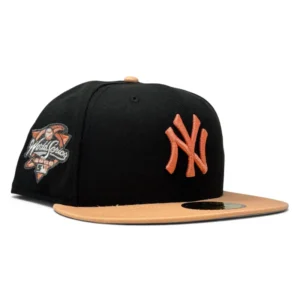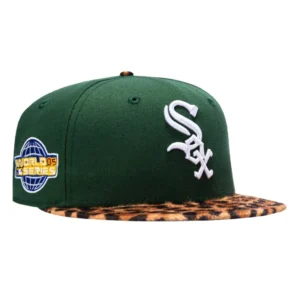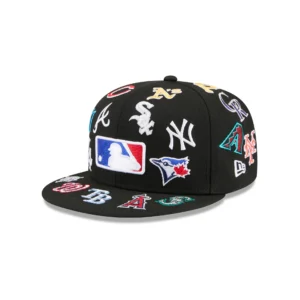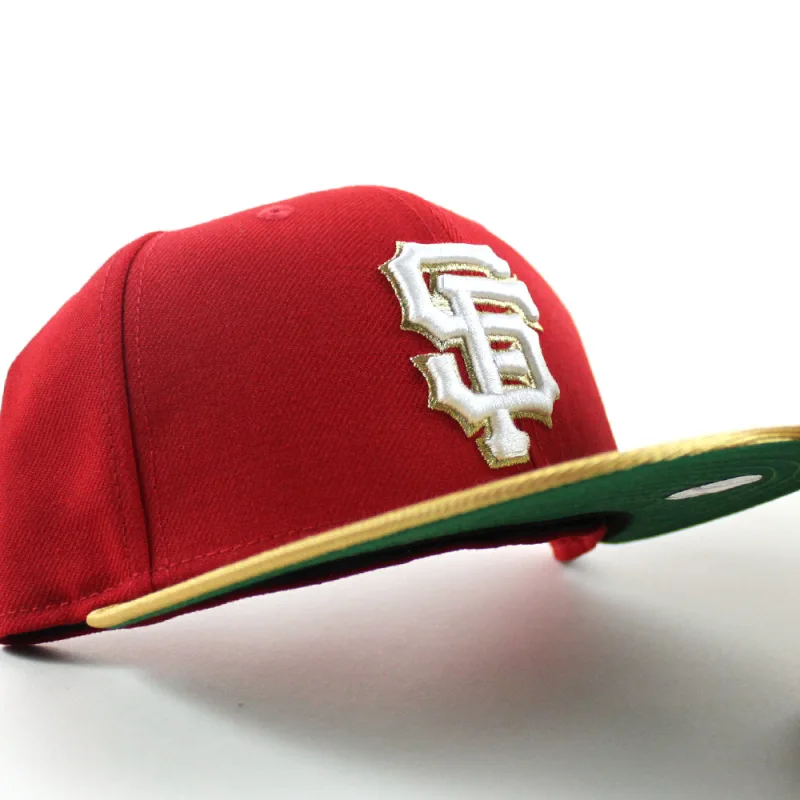
Flip any fitted hat over and look at the underside of the brim. That panel is the undervisor, and its color is the most overlooked detail in the hobby. Grey, green, pink, red, black: each one means something different, and knowing what undervisor colors signal tells you whether you are holding an on-field cap, a fashion colorway, or a retailer cash grab. Here is what every bottom actually means.

What the Undervisor Is and Why It Has a Color
The undervisor is the fabric on the underside of the brim, the part that faces down toward your eyes. It is not random. For most of baseball history that panel was green, because teams believed a dark green underside cut the glare bouncing off sunlit grass and helped players track the ball.
So the original undervisor color was function, not fashion. Everything since has been a mix of the two. If you want the full vocabulary around the brim and crown, start with the anatomy of a fitted hat.
Green to Grey to Black: The On-Field Timeline
The undervisor story tracks almost perfectly with eras, which is exactly why collectors care about it.
| Era | On-field undervisor | What it signals |
|---|---|---|
| Through the 1980s | Green | The original, glare-cutting standard |
| 1990s | Grey | The Reds switched in 1990; the league followed |
| 2007 onward | Black | The modern on-field default |
The turning point was 1990, when the Cincinnati Reds moved their undervisor from green to grey and then won the World Series that same season. Grey caught on fast, and by the mid-1990s it was the league-wide look. Around 2007, black became the on-field norm you mostly see today.
The grey bottom ages better than the white-stitched fashion versions, and it is not close. Grey hides wear, holds its color, and looks right ten years later.
The Grey Bottom: The Collector Standard
When collectors say “grey bottom,” they mean a 59FIFTY with a grey undervisor, and they usually mean it as a compliment. Grey is the safe, timeless, ages-forever choice. It reads as heritage, it matches almost any colorway, and it does not yellow or scuff the way a white or light undervisor does within a season.
If you are buying one fitted to keep for years, the grey bottom is the move. It is the closest thing to a no-regret undervisor.
Pink, Red, and Novelty Bottoms
Once New Era let color off the leash in the 1990s, the undervisor became a canvas. The “pink bottom” became a streetwear signature, loved for the contrast against a clean crown. Red, blue, and team-matched bottoms followed.
None of this is wrong. A pink bottom is a flex, not a flaw. Just be clear with yourself about what it is: a fashion choice, not a baseball one. And know that a colored undervisor is one of the easiest ways for a retailer to spin an ordinary cap into a “limited” exclusive. Most of those drops are only limited to that one store, not actually rare.
A loud undervisor also will not save a bad cap. If the construction is off, the bottom color is lipstick. Check the build first, which is half of how you spot a fake 59FIFTY.
Which Undervisor Should You Buy?
- Want it to last and never look dated? Grey bottom. Every time.
- Chasing the on-field look? Black or grey, matching the modern spec.
- Building a fit around a statement? Pink, red, or a team-matched bottom, eyes open that it is fashion.
- Hunting vintage references? Green, the original, for caps that nod to the pre-1990 era.
Bottom line: Grey is heritage, green is vintage, black is on-field-modern, and pink is streetwear flex. Buy the bottom that matches the story you actually want the cap to tell.
Frequently Asked Questions
What does “grey bottom” mean on a fitted hat?
It means the undervisor, the underside of the brim, is grey. Collectors prize grey bottoms because they match the 1990s on-field standard, hide wear, and never look dated. It is the safe, timeless undervisor color.
Why were old baseball cap undervisors green?
Teams believed a dark green underside reduced the glare of sunlight bouncing off the grass, helping players track the ball. Green was the functional standard for decades before grey took over in the 1990s.
What is a pink bottom fitted hat?
A fitted with a pink undervisor. It became a streetwear signature for the contrast it creates against a clean crown. It is a fashion choice, not an on-field one, and it is purely about style.
Does undervisor color affect a hat’s value?
Sometimes. Grey bottoms hold broad appeal and age well, while certain vintage green or rare colorway bottoms can command more. But demand drives value, not the undervisor color by itself.
The undervisor is the detail that separates people who own fitteds from people who actually read them. Now that you can, go flip a few over and see what story each cap is telling. Then find your team in the MLB collection and pick the bottom that fits yours.