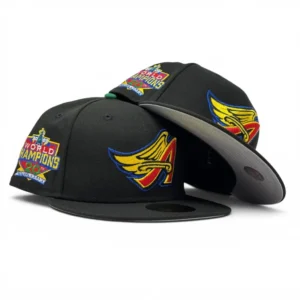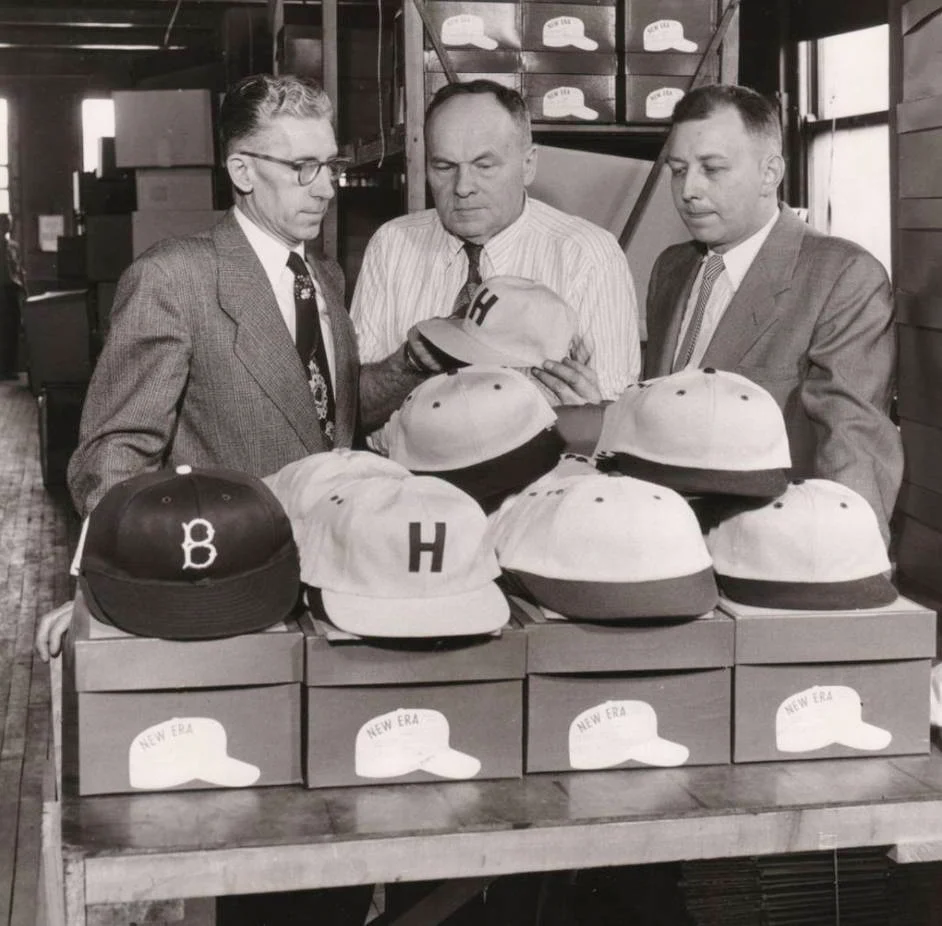
The fitted cap is the most-worn piece of baseball equipment ever made, and most of the people wearing one have never swung a bat. That gap, between the dugout and the sidewalk, is the whole story. The cap on your head started as sun protection for amateur ballplayers in the 1840s and ended up a billion-dollar fashion object. Here’s exactly how it got there, decade by decade, from straw hats to the New Era 59FIFTY.
The Fitted Cap Timeline, at a Glance
The short version, before we get into the good stuff:
| Year | What Happened |
|---|---|
| 1849 | The New York Knickerbockers wear the first documented baseball caps, made of straw. |
| 1860 | The Brooklyn Excelsiors debut the rounded, button-topped, long-brimmed crown, the blueprint for every cap since. |
| 1901 | The Detroit Tigers stitch on the first team logo, turning a sunshade into an identity. |
| 1920 | Ehrhardt Koch founds the company that becomes New Era. |
| 1954 | New Era releases the 59FIFTY, the fitted cap as we know it. |
| 1994 | New Era becomes the exclusive on-field cap of Major League Baseball. |
| 1996 | Spike Lee asks for a red Yankees cap. Custom colorways (and the collector era) are born. |
Before the Fitted: Baseball’s First Caps (1840s–1900s)
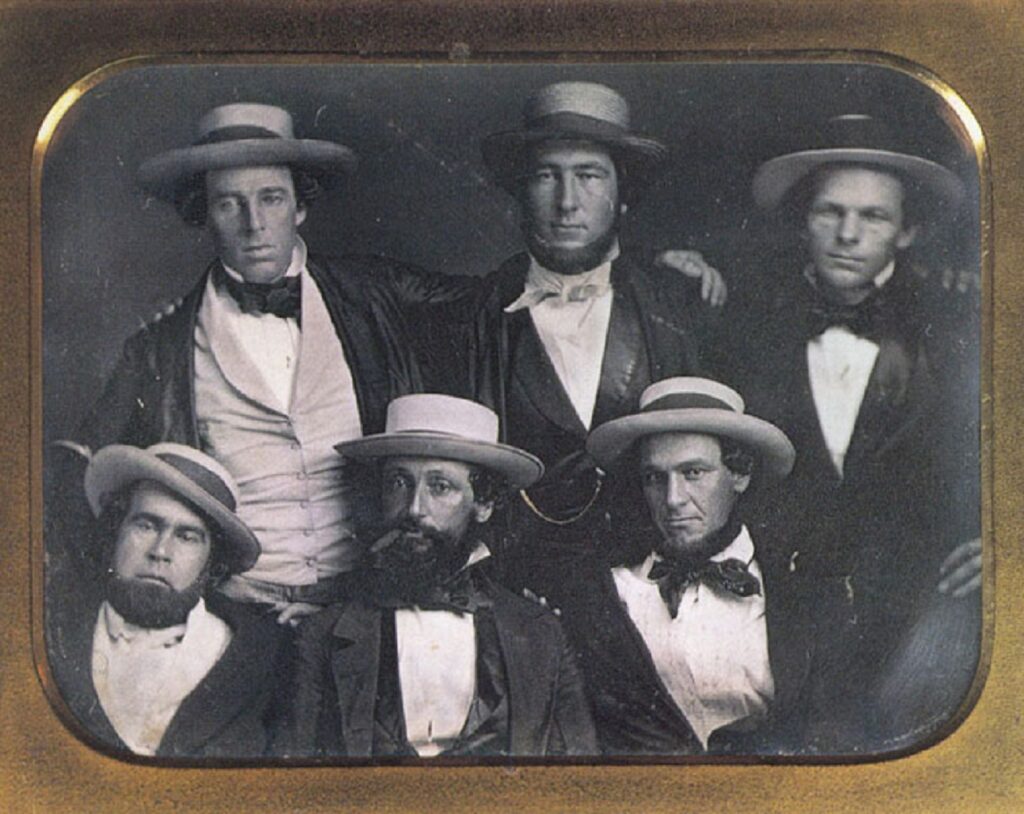
Baseball’s oldest organized club, the New York Knickerbockers, took the field in the 1840s wearing wide-brimmed straw hats. Practical, sure. Durable, no. Within a few years they switched to merino wool caps from sporting-goods maker Peck & Snyder, the flat-paneled “No. 1” model with a short visor.
The real turning point came in 1860, when the Brooklyn Excelsiors introduced a cap with a longer brim and a deeper, rounded crown topped with a button. That silhouette, the “Brooklyn style,” is the direct ancestor of the cap on your head right now. Everything after it is refinement.
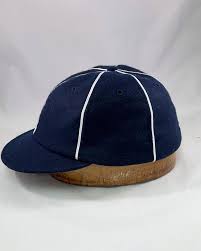
By the early 1900s, the sturdier “Philadelphia style,” with a stitched, reinforced visor that actually held its shape, took over. Eight panels, ventilation eyelets, a leather sweatband. The modern cap’s bones were set.
The Logo Era: When Caps Became Identity (1901–1945)
In 1901, the Detroit Tigers did something deceptively huge: they put a logo, a red tiger, on the front of the cap. As one history put it, that move turned “a utilitarian sunshade into a battle flag.” The cap stopped being gear and started being a banner you wore for your team.
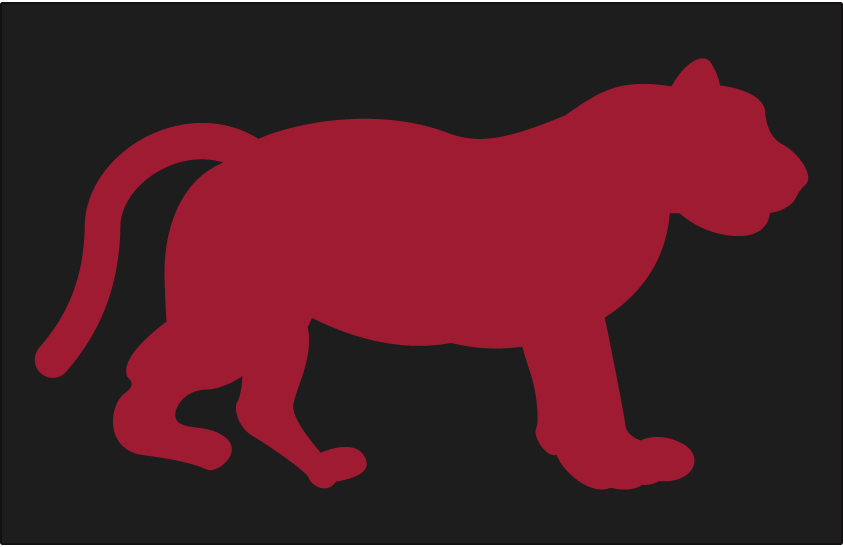
The logo is the moment the baseball cap stopped being equipment and became a uniform you could take home.
The rest fell into place fast. Teams added embroidered monograms and emblems. The first nationally televised MLB game in 1939 made uniforms, caps included, into something millions of people studied on screen. By 1945, every big-league team wore branded headwear. The stage was set for one company to standardize all of it.
New Era and the Birth of the 59FIFTY (1920–1954)
In 1920, a German immigrant craftsman named Ehrhardt Koch borrowed money from his sister and opened a cap shop in Buffalo, New York. Year one: around 60,000 Gatsby-style flannel caps. The company became New Era Cap Co. A name you might know.
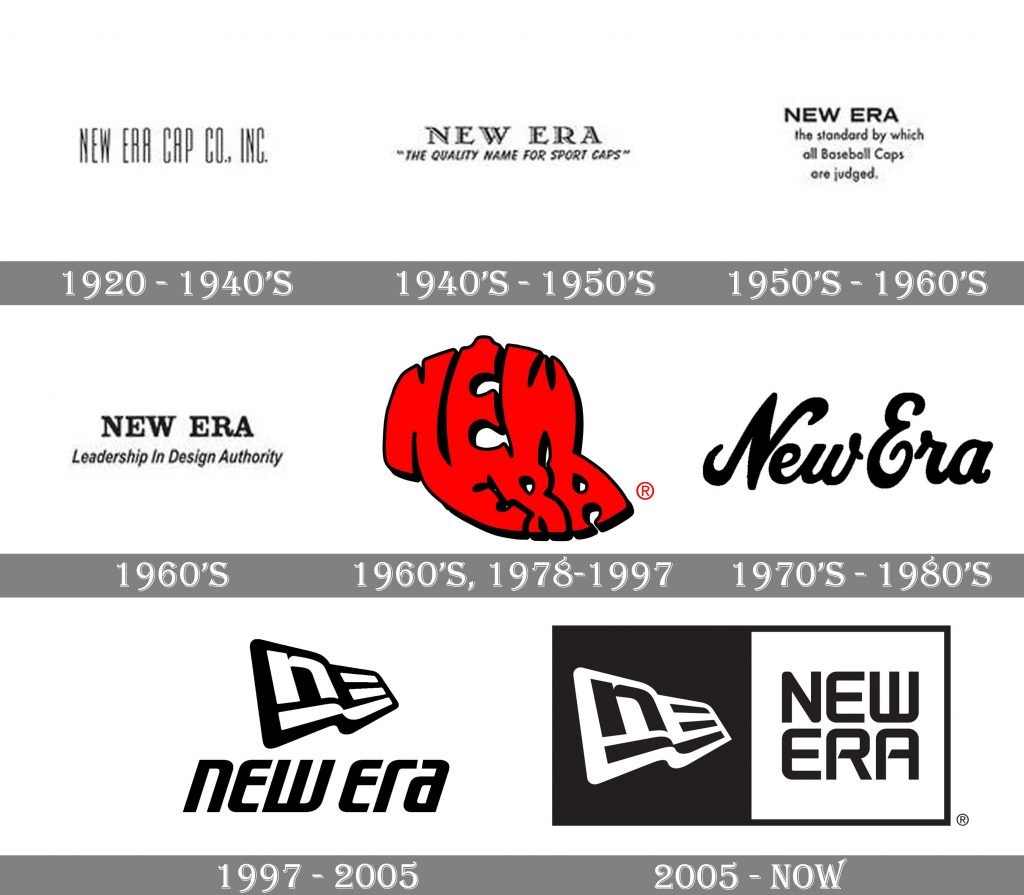
By 1934, New Era was making caps for big-league players, starting with the Cleveland Indians. But the moment that matters most came in 1954, when New Era introduced the 59FIFTY: a six-panel crown, a ventilation eyelet on each panel, a button on top, and a visor finished with eight rows of stitching. That’s the fitted cap. Seventy years later, the spec has barely changed. It didn’t need to.
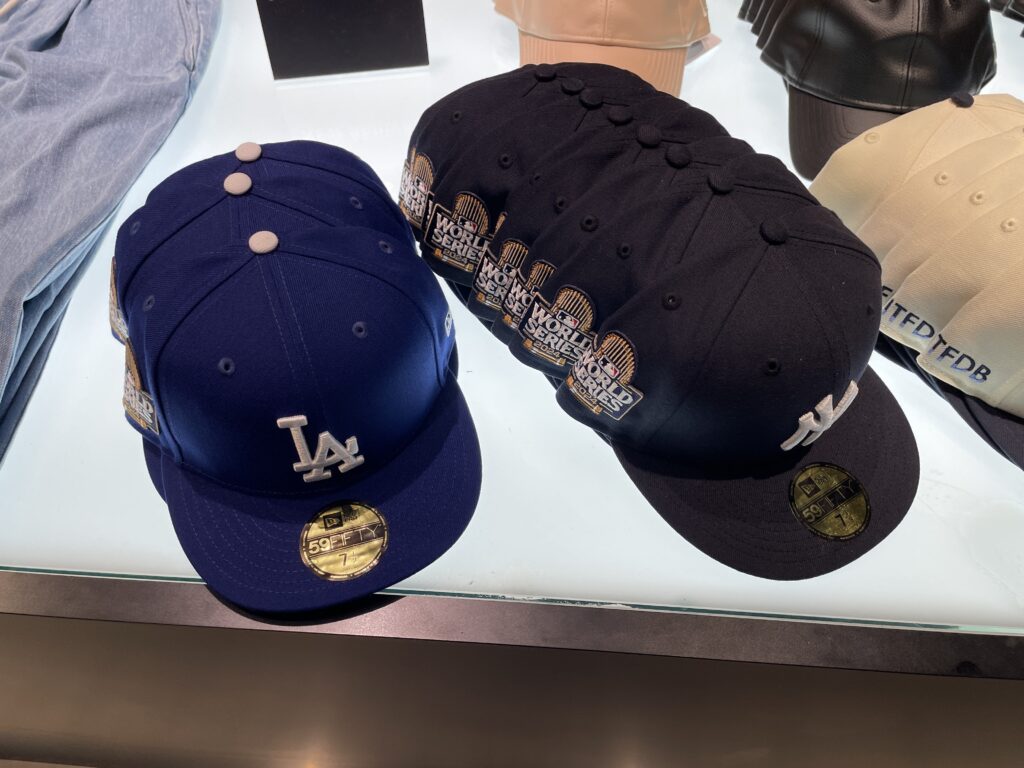
Bottom line: 1954 is the birth year of the modern fitted cap. The Knickerbockers gave us the idea; New Era gave us the object, and never really had to redesign it.
Off the Field: How the Fitted Took Over Culture (1980s–1990s)
For most of the 20th century the fitted cap stayed on the diamond. Then two things happened at once: New Era started selling authentic team caps to fans in the 1980s, and the cap walked straight into pop culture. Tom Selleck wore a Detroit Tigers cap through every episode of Magnum, P.I. Hip-hop adopted the fitted as a uniform, and Public Enemy’s Chuck D made the Pittsburgh Pirates 59FIFTY an icon of the era.

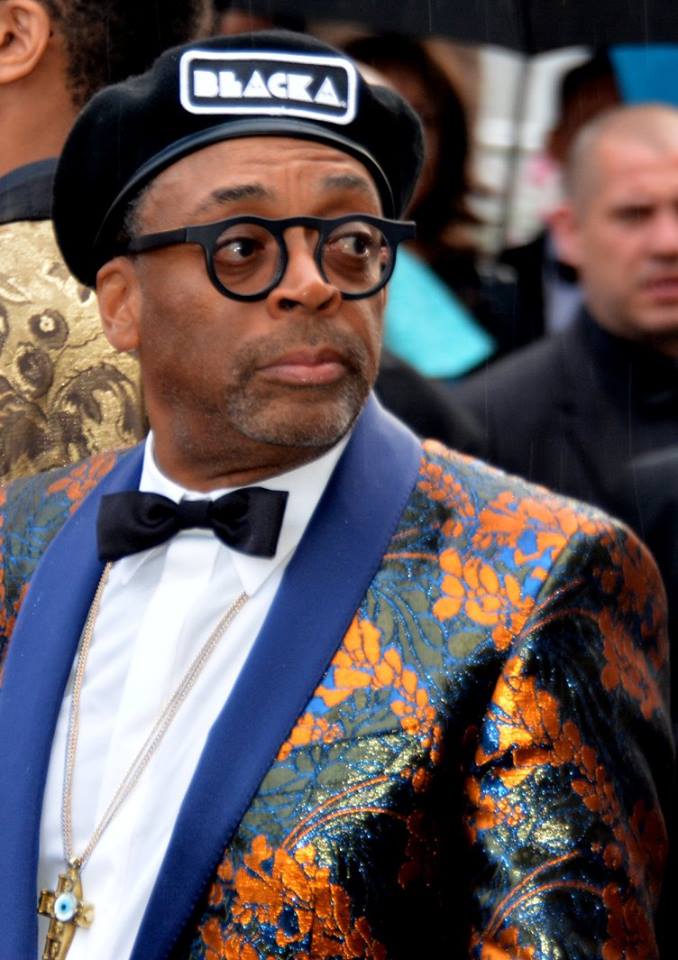
In 1994, New Era locked up exclusive on-field rights to every MLB team. And in 1996, director Spike Lee called New Era directly and asked for a red New York Yankees cap to match his jacket. Up to that point, he said, you could only get the hats in team colors. New Era made it for him, and unintentionally invented the custom colorway. Every pink-bottom, every off-color crown, every “fashion” fitted you’ve ever seen traces back to that phone call.
The Collector Era: Patches, Bottoms, and Grails (2000s–Today)
Once color came off the leash, the fitted became a canvas. New Era ran collaborations with everyone from Ralph Lauren to Japanese streetwear labels. Collectors started caring about details nobody outside the hobby notices: the undervisor color, the side patch placement, the bottom. Grey bottoms versus pink. On-field versus fashion. Shock drops that sell out in minutes.
Here’s the part the brands won’t say out loud: most of the “limited” fitteds you’re chasing aren’t limited by scarcity. They’re limited by which retailer got them. The cap that holds its value isn’t the loudest colorway; it’s the clean, on-field 59FIFTY with the grey bottom, the one that looks exactly like what Koch’s shop would’ve recognized in 1954. The history is the value. That’s why a classic team fitted never goes out of style and last season’s novelty does.
Frequently Asked Questions
When were fitted caps invented?
Sized baseball caps existed in various forms from the late 1800s, but the modern fitted cap, the one with no adjustable closure that you buy in an exact size, arrived in 1954 with the New Era 59FIFTY.
Why are they called “fitted” caps?
Because they’re built to one specific head size with no strap, snap, or stretch band to adjust. You buy your size and the cap fits, unlike snapbacks or flex caps that span a range. That exact fit is the whole appeal.
What does 59FIFTY mean?
It comes from the cap’s New Era style number, 5950. There’s no secret code. The most iconic hat in baseball is named after a product SKU.
When did MLB stop using wool caps?
On-field caps were wool blends for most of the 20th century. New Era shifted the official on-field cap to moisture-wicking polyester in the 2000s, though wool-blend versions are still made and prized by purists.
The Cap That Outlasted Everything
From a Brooklyn club’s button-topped crown to a Buffalo immigrant’s cap shop to Spike Lee’s red Yankees fitted, the through-line never changed: a piece of baseball equipment that people refused to leave on the field. That’s why the fitted cap is still here, and why the version that respects the history always wins. Now go find your team and the fitted that earns its place on your shelf.